Table of Contents
The ultimate packing list for family travel, organized by age group from baby through teenager. Never forget the essentials again with this comprehensive guide.
Jordan Myers
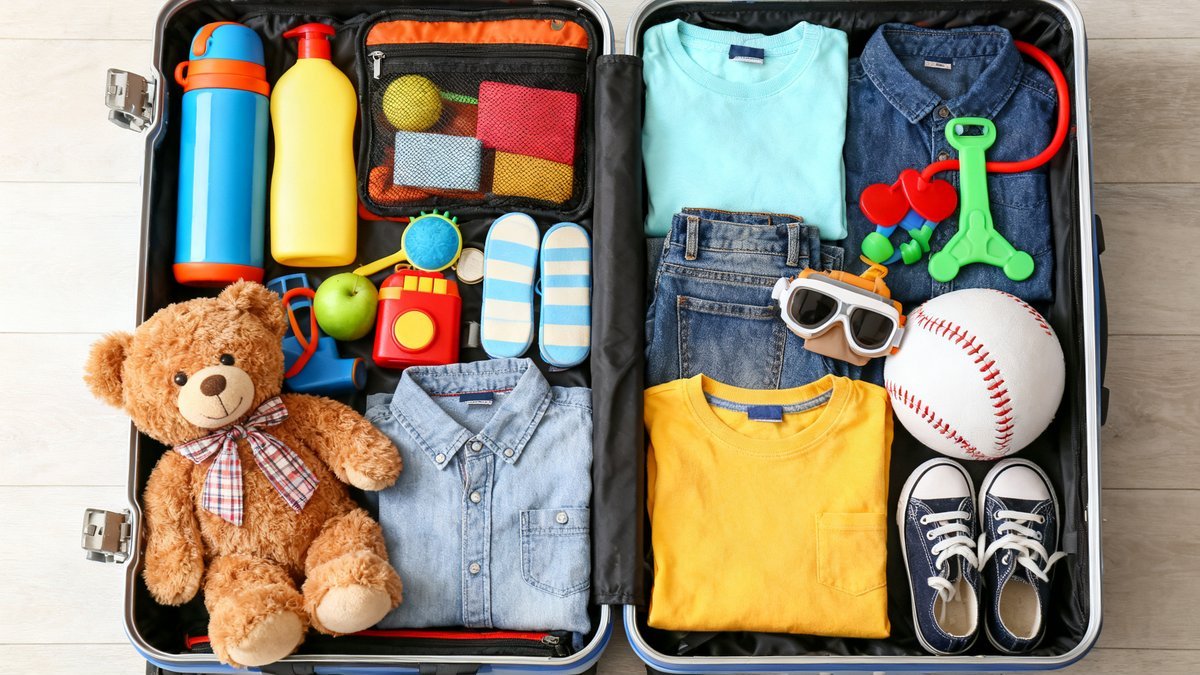
The ultimate packing list for family travel, organized by age group from baby through teenager. Never forget the essentials again with this comprehensive guide.
Packing for a family trip multiplies the complexity of travel by the number of children you are bringing. Each age group has unique needs, and forgetting one critical item can derail an entire day. This comprehensive packing list covers every age from baby through teenager, organized by category so you can grab what you need for your specific family composition.
Diapers: bring one diaper for every two hours of travel plus five extras. If flying, pack extras in your carry-on because checked luggage can get lost. Wipes: bring twice as many as you think you need. A changing pad, diaper cream, and disposal bags are essentials. For toddlers in potty training, bring a portable potty seat and extra changes of clothes.
Feeding supplies depend on your child's age. For formula-fed babies, pre-measure powder into portion containers and bring ready-to-feed bottles for travel days. For breastfeeding mothers, bring a nursing cover and pump if needed. For older babies and toddlers, bring spill-proof cups, bibs, baby food pouches, and plenty of snacks. Pack snacks that are low-mess and familiar to your child.
Sleep supplies are critical for everyone's sanity. Bring sleep sacks or wearable blankets for babies, a portable blackout curtain or garbage bags to darken hotel windows, a white noise machine or app, and your child's usual lovey or comfort item. Familiar sleep cues signal to your child that it is bedtime even in an unfamiliar place.
School-age children ages five to twelve have strong opinions about clothing and activities. Involve them in packing choices within boundaries. Let them pick their outfits but ensure they pack appropriate clothing for your destination's weather and activities. Roll clothes to save space and prevent wrinkles. Pack a separate outfit in each child's carry-on in case luggage is delayed.
Entertainment for travel is essential. Pack a tablet with headphones and pre-loaded movies and games. Bring books, activity pads, and travel-friendly games like magnetic board games. For car trips, bring an activity backpack that each child fills with their own entertainment. Set screen time expectations before the trip starts.
Health and comfort items: motion sickness medication if your child is prone to carsickness, a small first aid kit with bandages and antiseptic, sunscreen and insect repellent, and any regular medications. Bring a refillable water bottle for each child. Hydration is especially important during air travel.
Teenagers can and should pack for themselves. Provide a list of what they need to bring and let them handle it. Check their bags before you leave to ensure they packed appropriate clothing and essentials. Teens often under-pack for weather or over-pack unnecessary items. A gentle review prevents problems.
Tech needs are a priority for teens. Ensure they have chargers, power banks, and appropriate adapters for international travel. Agree on screen time expectations for the trip in advance. Some families require tech-free periods during meals or activities. Pack headphones that work with in-flight entertainment systems.
Give teens some independence during travel. A small personal bag or backpack with their own snacks, entertainment, and essentials gives them autonomy. Consider giving older teens a small travel budget for souvenirs or snacks. Travel with teens is more enjoyable when they have some control over their experience.
Packing cubes changed my travel life. Each child has a colored cube. When we get to the hotel, I grab their cube and they are set. No digging through suitcases. No lost socks. Organization is survival when traveling with kids.
The number one thing I forgot on our first family trip was my toddler's lovey. Bedtime was a nightmare. Now I pack comfort items in my personal bag that never leaves my side.
My twelve-year-old packs her own bag now. I check it before we leave, but letting her choose her outfits eliminated the morning battles over what to wear. Travel got easier when I stopped doing everything myself.
One outfit per day plus two extras. Kids get dirty, spill food, and have accidents. For babies and toddlers, pack one outfit per day plus three extras. For older children, one outfit per day plus one extra is usually sufficient. Plan to do laundry on longer trips rather than packing for every day.
Use one large suitcase per two people plus one carry-on per person. Pack everyone's clothes in packing cubes by person, not by category. This allows each person to grab their own cube and get dressed independently. Keep essentials like medications, chargers, and one change of clothes per person in carry-on bags.
Bring children's pain reliever and fever reducer, antihistamine for allergies or unexpected reactions, motion sickness medication, diarrhea medication, and any prescription medications in their original bottles with enough for the trip plus a few extra days. Keep a small first aid kit with bandages, antiseptic wipes, and tweezers.
Look for accommodations with in-room laundry or nearby laundromats. Pack laundry detergent sheets that take no space. Do laundry every three to four days rather than waiting until everything is dirty. This reduces the amount of clothing you need to pack and keeps suitcases manageable.
Packing for family travel does not have to be overwhelming. Organize by category and child. Pack cubes by person. Bring comfort items and medications in your carry-on. Involve older children in their own packing. With a system in place, you can focus on enjoying the trip rather than worrying about what you forgot. The best travel memories come from experiences, not from perfectly packed bags.
Traveling with a baby requires a fundamentally different packing approach than traveling with a school-age child or teenager. For babies, the focus is on supplies: diapers, wipes, changing pads, formula or breast milk, bottles, pacifiers, burp cloths, bibs, onesies, sleep sacks, and a portable bassinet or travel crib. The rule of thumb is to pack double what you think you will need for diapers and changes of clothes. Babies have an uncanny ability to blow out a diaper at the most inconvenient moment, and having backup supplies prevents travel meltdowns.
For toddlers and preschoolers, packing shifts toward comfort items and entertainment. A favorite stuffed animal, blanket, or lovey provides emotional security in unfamiliar environments. Snacks are non-negotiable: pack more than you think necessary, in individually portioned bags for easy distribution. Include a mix of familiar favorites and new treats. Small, mess-free activities like sticker books, magnetic drawing boards, and new-to-them toys wrapped in tissue paper create excitement and occupy attention during transitions.
School-age children and teenagers can help with their own packing, which teaches responsibility and ensures they have what they want. Provide a checklist to guide them. For this age group, focus on electronics management: chargers, power banks, headphones, and entertainment devices. Also pack a small bag of essentials they can carry on their person during travel, including a water bottle, snacks, a book or tablet, and a change of clothes in case of spills or lost luggage. Teenagers appreciate having their own travel money and some autonomy over spending decisions during the trip.
Packing light is even more important when traveling with children, as you will be managing both your luggage and your children. For a family of four, limit yourselves to one large checked bag, one carry-on roller bag, and one personal item per person. Pack each person clothing in a separate packing cube within the shared luggage for easy identification. Use compression bags to maximize space and keep items organized. Cross-pack essentials by putting one change of clothes for each family member in every bag, so a lost bag does not leave anyone without clean clothes.
A well-organized carry-on is essential for smooth travel. Pack a change of clothes for each child, a complete change for at least one adult, basic toiletries and diapers, snacks for the journey, entertainment items, chargers, medications, and important documents. For airplane travel, put the carry-on items you will need during the flight in a separate bag within your carry-on so you can access them without unpacking everything. Label all bags with your contact information both inside and outside, and take photos of your luggage before checking it in case you need to file a lost luggage claim.